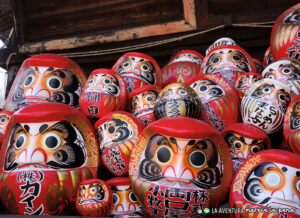








Tokyo in February is a city in perfect equilibrium. Winter is still present, but energy is slowly returning to the streets, temples, and more modern neighborhoods. For those seeking events in Tokyo in February 2026, This month offers a unique combination of traditional celebrations, cultural festivals and contemporary plans that can only be experienced in the Japanese capital.
Although temperatures remain cool—especially at the beginning of the month—the weather is dry, stable, and very pleasant for exploring the city without the crowds of other times of the year. As February progresses, the atmosphere becomes more lively: travel, special events, and Tokyo's characteristic vibrant rhythm return after the winter break.
In this guide you will find a carefully curated selection of The best events and plans to enjoy Tokyo in February 2026, Designed for travelers who want to go beyond the typical tourist spots, this guide blends tradition, culture, local experiences, and current trends to help you design a realistic, inspiring, and fulfilling itinerary, even if it's your first trip to Japan.
Weather and atmosphere in Tokyo in February
February is winter, but not extreme. Temperatures usually range between 1 °C and 10 °C, With many sunny and dry days, it's one of the best months for walking around the city, taking urban excursions, and spending time outdoors without the humidity or heat. The atmosphere is more local than touristy. There are fewer international visitors, but the cultural scene remains active, especially in temples, parks, and traditional neighborhoods.
What to pack for Tokyo in February
To enjoy the city in comfort, dressing in layers is ideal. Here's what really works:
🧣 A warm scarf
🧥 A coat that keeps you warm without being too heavy
🧦 Thermal or warm socks
👟 Comfortable shoes for walking for many hours
And if you're sensitive to the cold, a fine thermal Underneath, it makes all the difference. In Japan, they're practically a religion, and it's no coincidence: they provide warmth without adding bulk, making the cold a distant memory.
📸 EXPERIENCES IN JAPAN
Do you want to discover Japan? If you don't feel like organizing everything yourself or simply want to enjoy it without the hassle, our partners are trusted agencies that offer tours and experiences in Japan.
Highlights in Tokyo in February
Here's where the fun begins: the updated list of the events, traditions and activities that will make February in Tokyo an unforgettable experience.
👹 Setsubun – Festival to ward off bad luck
📍 Where: Senso-ji, Zojo-ji and neighborhood temples
📅 Date: February 3, 2026
💰 Price: gratuitous
🌐Official website: Suitengu Shrine
✨ Dreamer Advice: Small temples offer a much more peaceful experience.
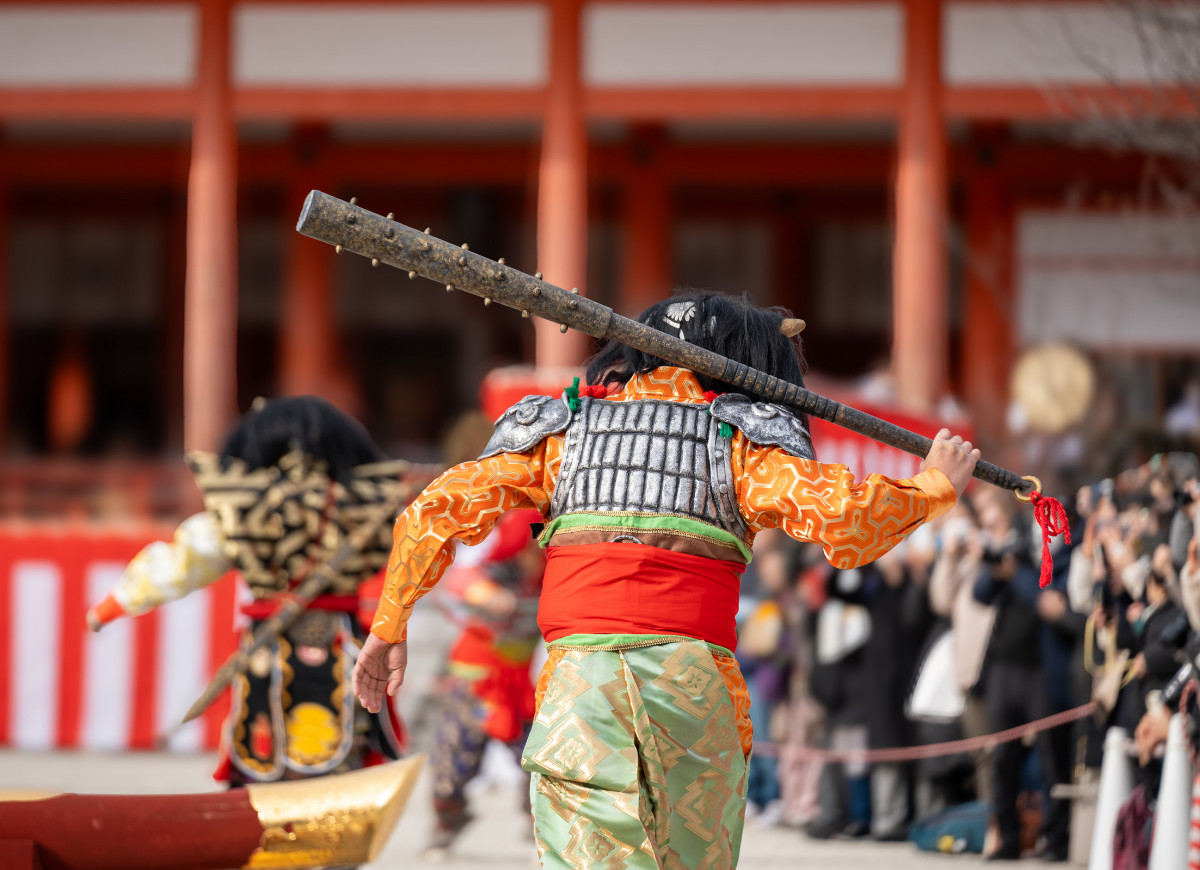
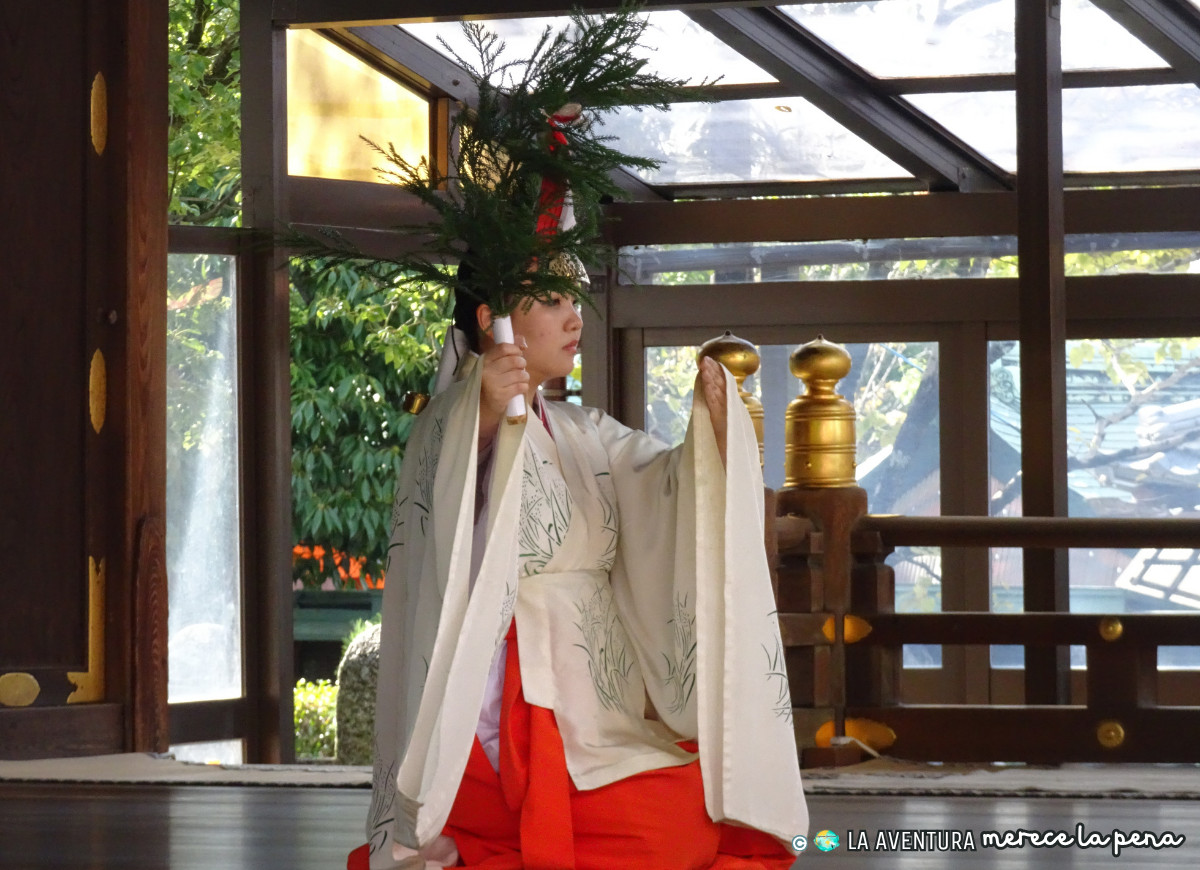
If you're planning a trip to Japan in February, you can't miss this! Setsubun, The Japanese festival that marks the change from winter to spring! 🌸 This ancient tradition combines purification rituals, fun, and Japanese pop culture, and Suitengu Shrine It is one of the best places to live in Tokyo.
What is Setsubun?
Setsubun is celebrated every year around February 3. Its objective is to drive away evil spirits and attract health, fortune, and happiness. The star activity is the mame-maki, or bean throwing, which the participants perform while shouting:
“Oni wa soto, fuku wa uchi!”
(Out with demons, in with good luck!)
Throwing beans is much more than a game: it's a symbolic ritual for cleanse negativity and attract prosperity.
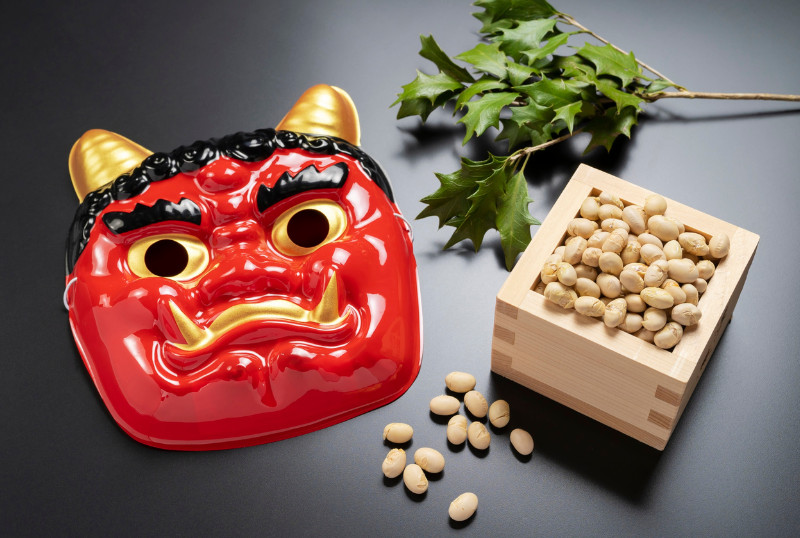
Setsubun at Suitengu Shrine: Tradition and Fun
In Suitengu Shrine, The festival combines the traditional with the modern:
Bean and candy throwing ceremonyAttendees can catch small packages thrown from a stage by Japanese celebrities. Imagine receiving your luck directly from your favorite idol!
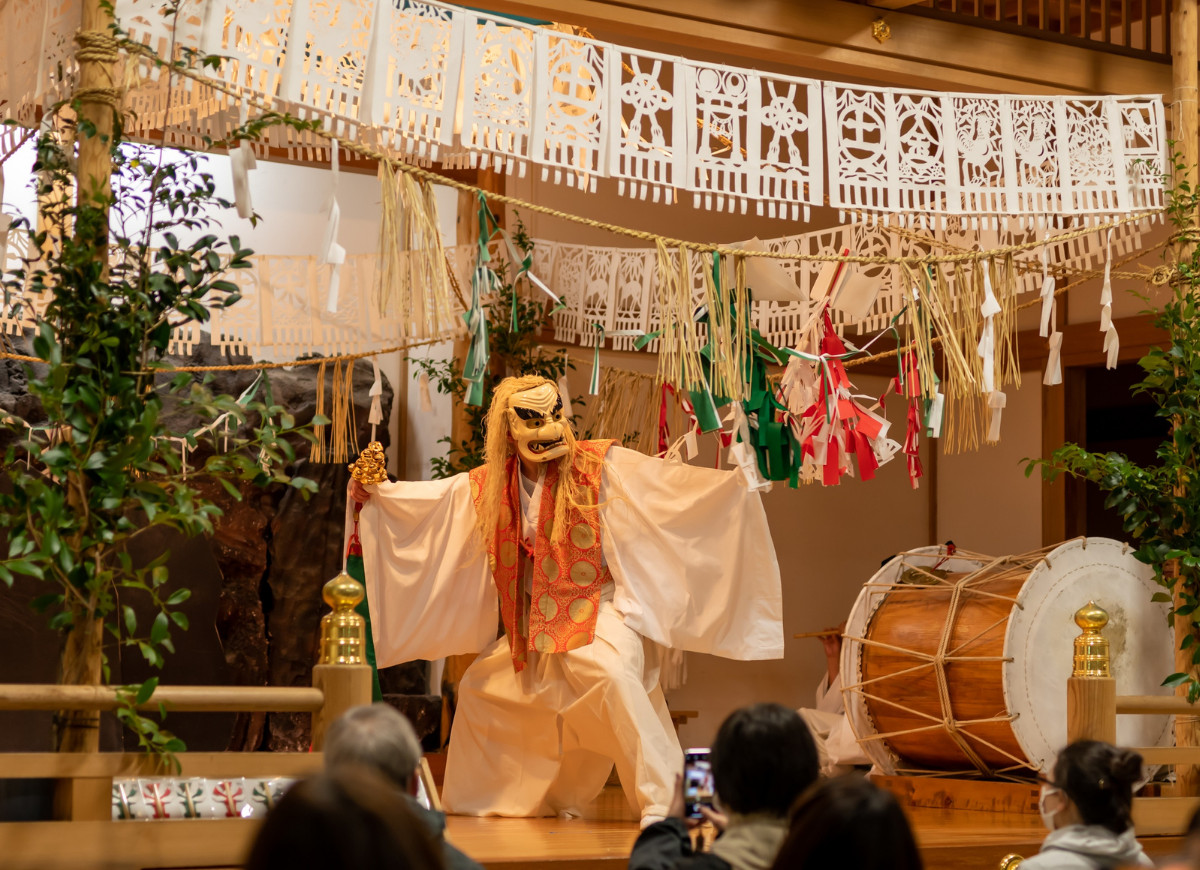
Live performancesMusic, dances and shows that blend classical Japanese culture and pop.
Draw to participateDue to high demand, you may have to enter a lottery to be able to throw beans.
This event is ideal if you want immerse yourself in Japanese culture, Meet locals and tourists, and experience an authentic Tokyo.
How to get to Suitengu Shrine
The shrine is very well connected, so it's easy to get there from anywhere in Tokyo:
Tokyo Metro Hanzomon Line – Suitengumae Station (Exit 5) – 1 min walk
Tokyo Metro Hibiya Line – Ningyocho Station (Exit A1) – 6 min walk
Toei Asakusa Line – Ningyocho Station (Exit A3) – 8 min walk
Toei Shinjuku Line – Hamacho Station (Exit A2) – 12 min walk
Taxi – 15 min from Tokyo Station (Yaesu Exit)
Tips for getting the most out of Setsubun
Arrive earlyThe performances and bean throwing fill up quickly.
Bring a bag for the beans and candy.You never know how many you can catch!
Participate in local traditionsLearning about and joining in the rituals makes the experience much more fun.
Camera readyThe festival is super photogenic, especially with the costumes and live shows.
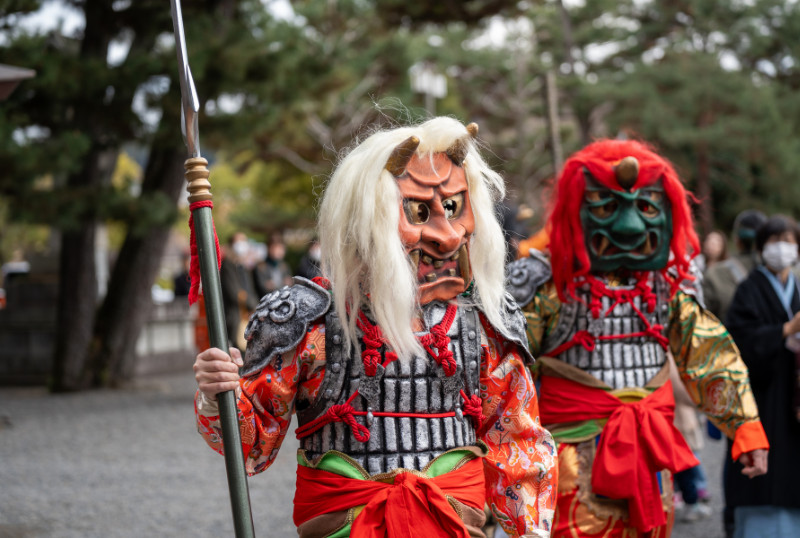
Yushima Tenjin - Plum Blossom Festival
📍 Where: Yushima, Bunkyo City, Tokyo
📅 Date: February 8 – March 8, 2026
💰 Price: gratuitous
🌐 Official website: Yushima Tenjin Shrine
✨ Dreamer Advice: Visit the festival after dinner or at sunset to see the plum trees in bloom in the best light and enjoy the sanctuary's illumination.
If you travel to Tokyo in February, There's one place you can't miss: Yushima Tenjin Shrine, also known as Yushima Tenman-gū. Although it goes unnoticed compared to other famous temples of Ueno Park, Visit this sanctuary during your Plum Blossom Festival It's an unforgettable experience. 🌸
The story behind Yushima Tenjin Shrine
The sanctuary is dedicated to Sugawara no Michizane, Michizane, a 10th-century poet and scholar, died in exile after being the victim of political intrigue. Following his death, a storm destroyed the Fujiwara family residence, leading the Japanese court to believe that Michizane's spirit was responsible for the catastrophe. To appease his spirit, the court restored his honor and made him a... Tenjin, the God of Heaven.
Originally, Tenjin was worshipped for protecting the city from natural disasters. Over time, Poets, academics, and students began to pray to him for success in exams. That's why many visitors come to this shrine during exam season to ask for good fortune.
Another interesting fact: Michizane liked plum trees, and that's why the plum trees They are an essential part of any Tenman-gū. Furthermore, many stories connect it with cattle, and that's why there are statues of cows on the grounds of the sanctuary.
What to expect from the Festival (Ume Matsuri)
He Yushima Tenjin Ume Matsuri It has been celebrated since first week of February until the first week of March. It is a festival that combines nature, culture and gastronomy:
Outdoor tea ceremonyEnjoy Japanese tea surrounded by blossoming plum trees. 🍵
Traditional and modern performancesTaiko drumming, Japanese dance, flamenco, belly dance… there's something new every weekend.
Religious ceremonies: rituals connected with the festival and the worship of Tenjin.
Street food: street food stalls that give a festive and fun atmosphere to the event.
The festival is not only a visual spectacle, but also an immersion in Japanese culture, perfect for unique photos and memories.
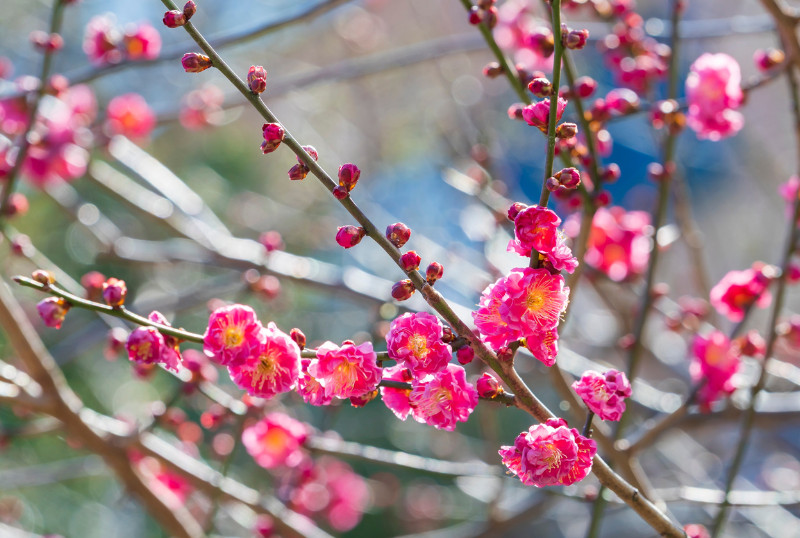
Daruma Kuyo at Nishiarai Daishi Temple
📍 Where: Nishiarai Daishi Temple
📅 Date: February 3, 2026
💰 Price: gratuitous
🌐 Official website: Nishiarai Daishi Temple
✨ Dreamer Advice: Bring your old Daruma to burn it and make a new wish; the ceremony is hypnotic, especially when the flames light up the night.
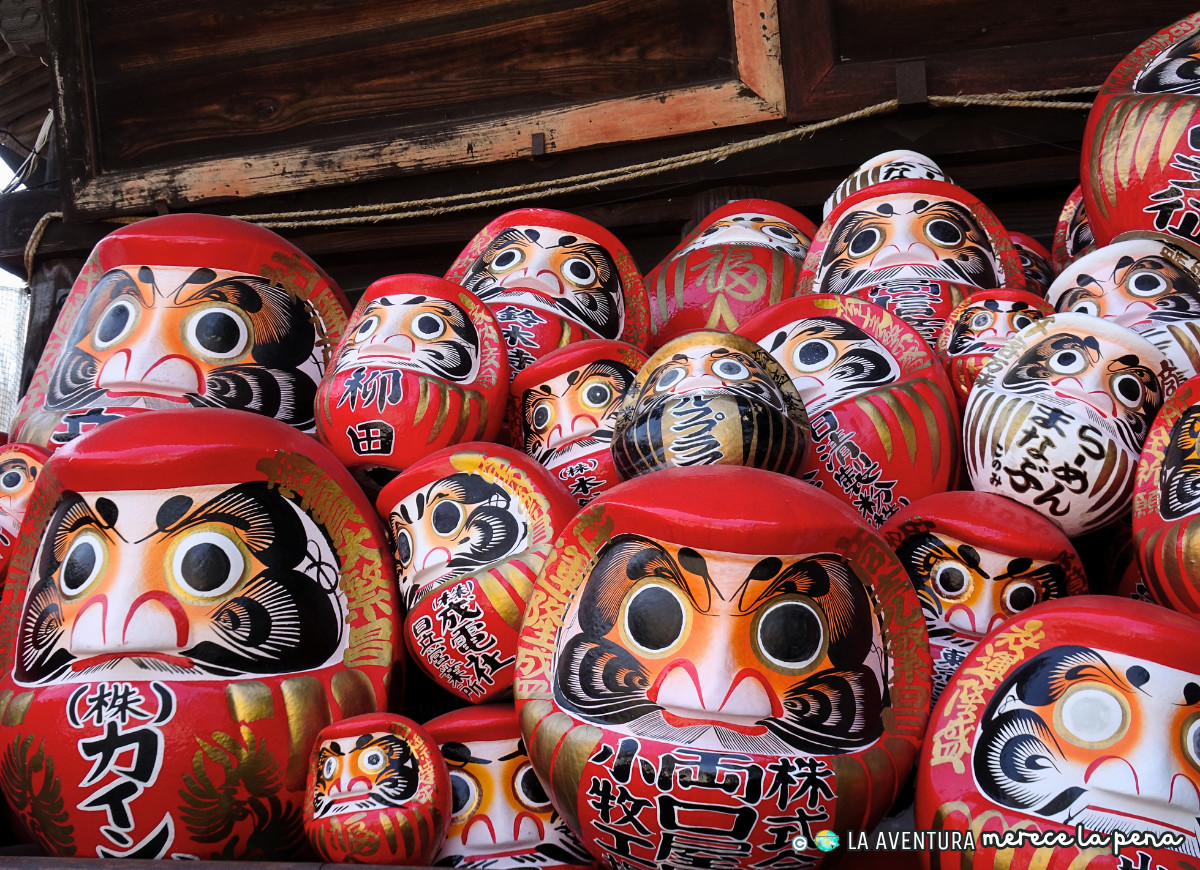
If you're in Tokyo in early February, you can't miss the Daruma Kuyo, It's one of those experiences that doesn't seem real until you're there. In this temple, thousands of red Daruma dolls They are burned in a ceremony that combines religion, tradition, and a stunning visual spectacle. People bring their old Daruma dolls to say goodbye and buy new ones, painting the first eye with a wish: when it comes true, they paint the second.
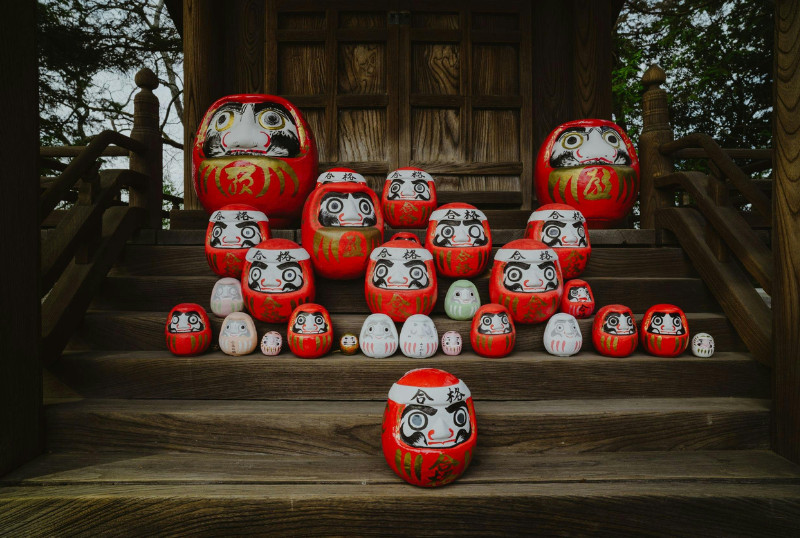
A little history about the Daruma Kuyo
The Nishiarai Daishi Temple was founded centuries ago and is famous for its protection and blessing rituals. The Daruma Kuyo began in 1954, And since then, it has been celebrated every year during Setsubun, just before spring. The Daruma tradition comes from Bodhidharma, the founder of Zen Buddhism, and the round, red doll symbolizes perseverance, good fortune, and success.
What to expect from the event
The ceremonial entrance of the monks, playing conch shells and reciting sutras, creates a hypnotic and spiritual atmosphere.
Thousands of Daruma dolls are placed on a large pyre and burned; the spectacle of flames and smoke illuminating the temple is incredible.
You can buy a new Daruma for your New Year's wish and experience the full Japanese tradition.
The atmosphere blends solemnity and emotion: locals and tourists swarm around, photographing and participating in the ritual.
Higashi-Fushimi Inari Shrine – Hatsuuma Sai
 Where: Higashi-Fushimi Inari Shrine
 Date: February 1, 2026
 Price: gratuitous
 Official website: Higashi-Fushimi Inari Shrine
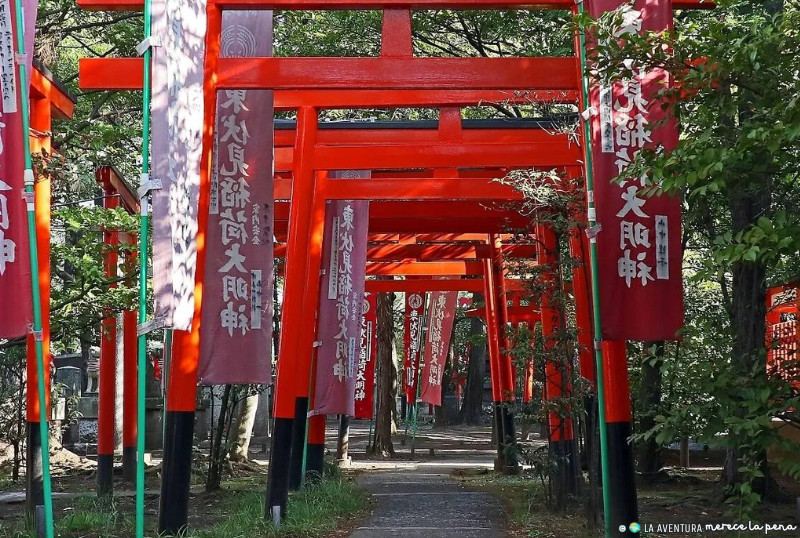
 Dreamer Advice: Stroll among the red torii gates and feel how the temple creates a mini Fushimi Inari in Tokyo. Ideal for fairytale photos.
Hatsuuma Sai: rituals of abundance and family protection
The Hatsuuma Sai is celebrated at all Inari Shrines in Japan, and in Higashi-Fushimi Inari It offers an experience that blends nature, spirituality, and culture. The festival is dedicated to Inari, The deity of harvests and prosperity. During this day, rituals are performed to ask for abundant harvests and safety for the family, following a tradition that dates back centuries.
The red torii gates and fox statues found here symbolize a connection to abundance and the protection of the fields. While the Kyoto shrine is more famous, Higashi-Fushimi recreates that atmosphere in Tokyo, with rows of torii gates and pathways that seem to transport you to another era.
What to expect from the event
Traditional ceremonies with offerings and prayers for prosperity.
Pathways filled with torii gates and fox statues, perfect for photos.
A feeling of peace and connection with Japanese culture very different from other noisier festivals.
Oji Inari Shrine – Kite Market
📍 Where: Oji Inari Shrine
📅 Date: February 1, 2026
💰 Price: gratuitous
🌐 Official website: https://kanko.city.kita.lg.jp/event/593-2/
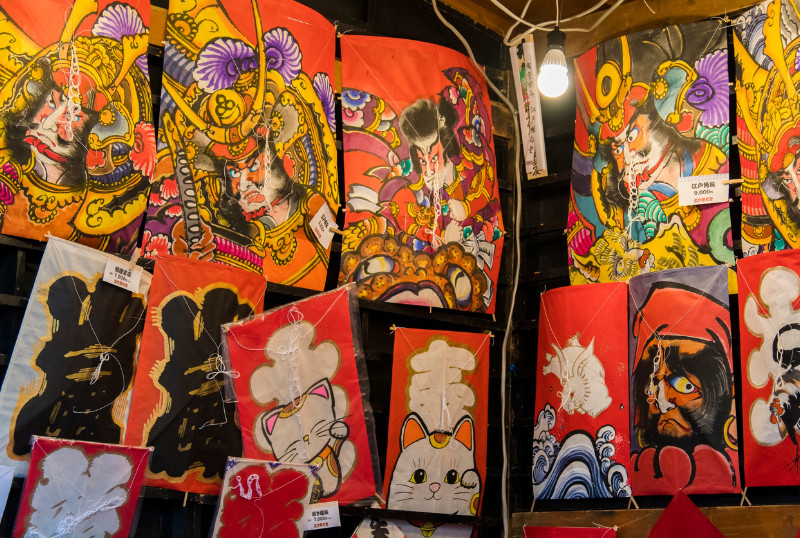
✨ Dreamer Advice: Watch the “kaito” kites flying and stroll among the street stalls; it’s like traveling to Edo period Tokyo for a day.
This market has a history: it dates back to State period, When fires were frequent in the city, people bought the Yakuteka kites as protective amulets, believing that by rising with the wind they could ward off fire. Today, the tradition lives on as a vibrant and colorful festival, with some 50,000 visitors during the days of Hatsuuma and Ninouma, Food stalls, crafts, and an atmosphere that transports you to another era.
Events in Tokyo in February – Matsuda Blossom Festival – Cherry Blossoms
📍 Where: Matsuda, south of Tokyo
📅 Date: February 14 to March 18
💰 Price: 500 yen
🌐 Official website: letsgo-matsuda.com
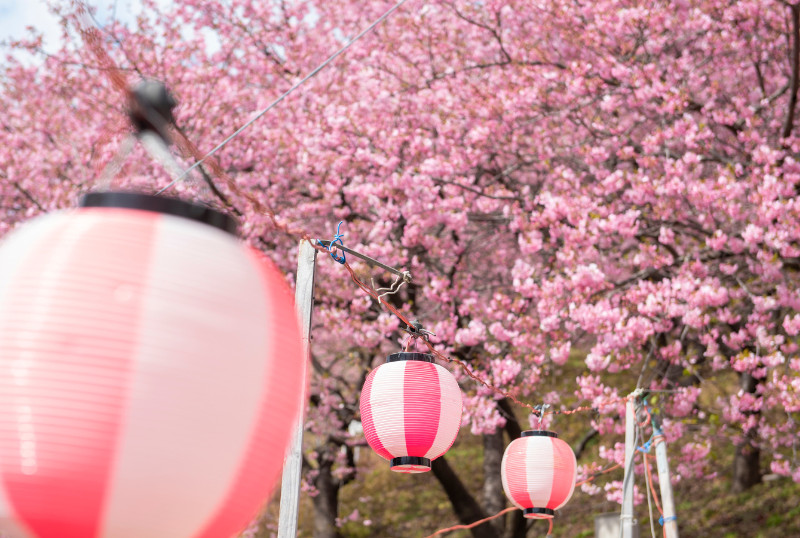
✨ Dreamer Advice: Arrive early to enjoy the view of the kawazu-zakura and with Mt. Fuji in the background; the perfect moment for unique photos.
Matsuda Cherry Blossom Festival: Sakura and Impossible Views
Before spring officially arrives, in Matsuda bloom kawazu-zakura, These cherries bloom much earlier than the classic sakura of Tokyo. There are about 360 trees covering the southern slope of the mountain, and the contrast with the Mount Fuji The background is simply spectacular. 🌸🗻
History and curiosities
This festival began decades ago to celebrate the early blooming of these special cherry blossoms and the arrival of spring in the Kanagawa region. The tradition combines nature and tourism: from peaceful walks to local food stalls, Music and cultural activities. The interesting thing about kawazu-zakura is that it lasts longer than other varieties, so you have several weeks to enjoy the festival at your leisure.
What to expect from the festival
Walks among the kawazu-zakura and perfect opportunities for photography.
Street food stalls with local delicacies.
A relaxed, family-friendly atmosphere, ideal for enjoying the start of spring.
Internet in Japan with the Airalo eSIM
If you want to travel around Japan without hassling with portable Wi-Fi or having to search for physical SIM cards, the most convenient way is to use a eSIM of AiraloIt works great if your phone is compatible: installation in a couple of clicks, data from the moment you land, and no need to change cards. Plus, it's a much more sustainable option because everything is digital.

💖 Valentine's Day in Japan
📍 Where: department stores and chocolate shops
📅 Dates: February 1–14, 2026
💰 Price: variable
✨ Dreamer Advice: Visit the depachika (underground gourmet areas).
The Chocolate Quest began as a Valentine's Day event years ago, inspiring locals and tourists to explore the city in search of the most creative chocolates. Interestingly, some of the chocolates are designed... Instagram only, But they taste amazing too! Plus, it's common to see special promotions and activities inside the buildings, creating a lively and festive atmosphere. The shops are filled with limited editions and handcrafted items.
Shibuya Chocolate Quest
📍 Where: Shibuya, several buildings near the station
📅 Date: February 1-14, 2026
💰 Price: gratuitous
🌐 Official website: Shibuya Chocolate Quest
✨ Dreamer Advice: Explore the three buildings and don't miss the most original creations; it's perfect for a sweet Valentine's Day plan.
Shibuya Chocolate Quest: Tokyo's Sweetest Route
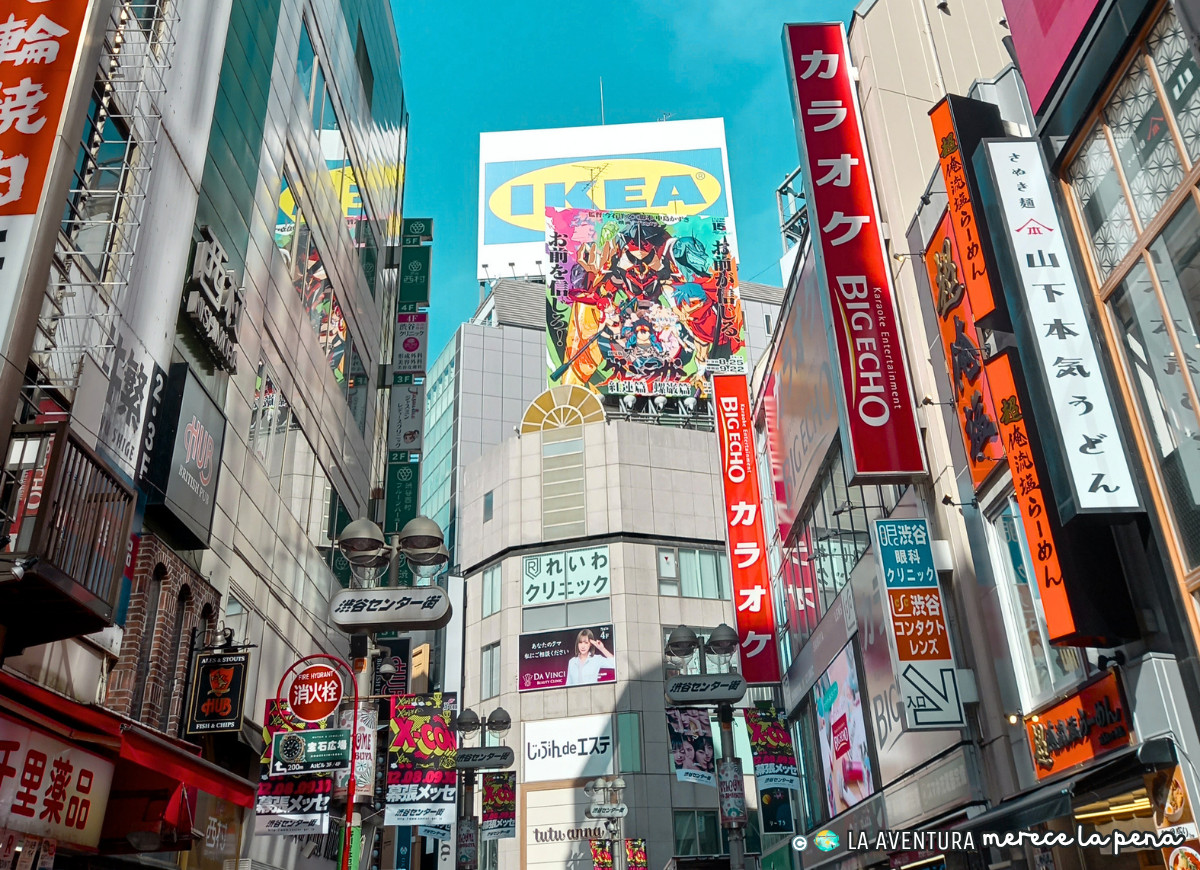
For two weeks, Shibuya transforms into a chocolate paradise, with over 150 shops spread across three buildings near the station. Each shop features chocolates Valentine's Day exclusives, with original designs and surprising flavors that blend Japanese tradition and international trends.
What to expect from the event
Buy unique and limited edition chocolates.
See chocolate-making demonstrations and workshops.
Enjoy a sweet stroll through Shibuya, mixing shopping, culture and design.
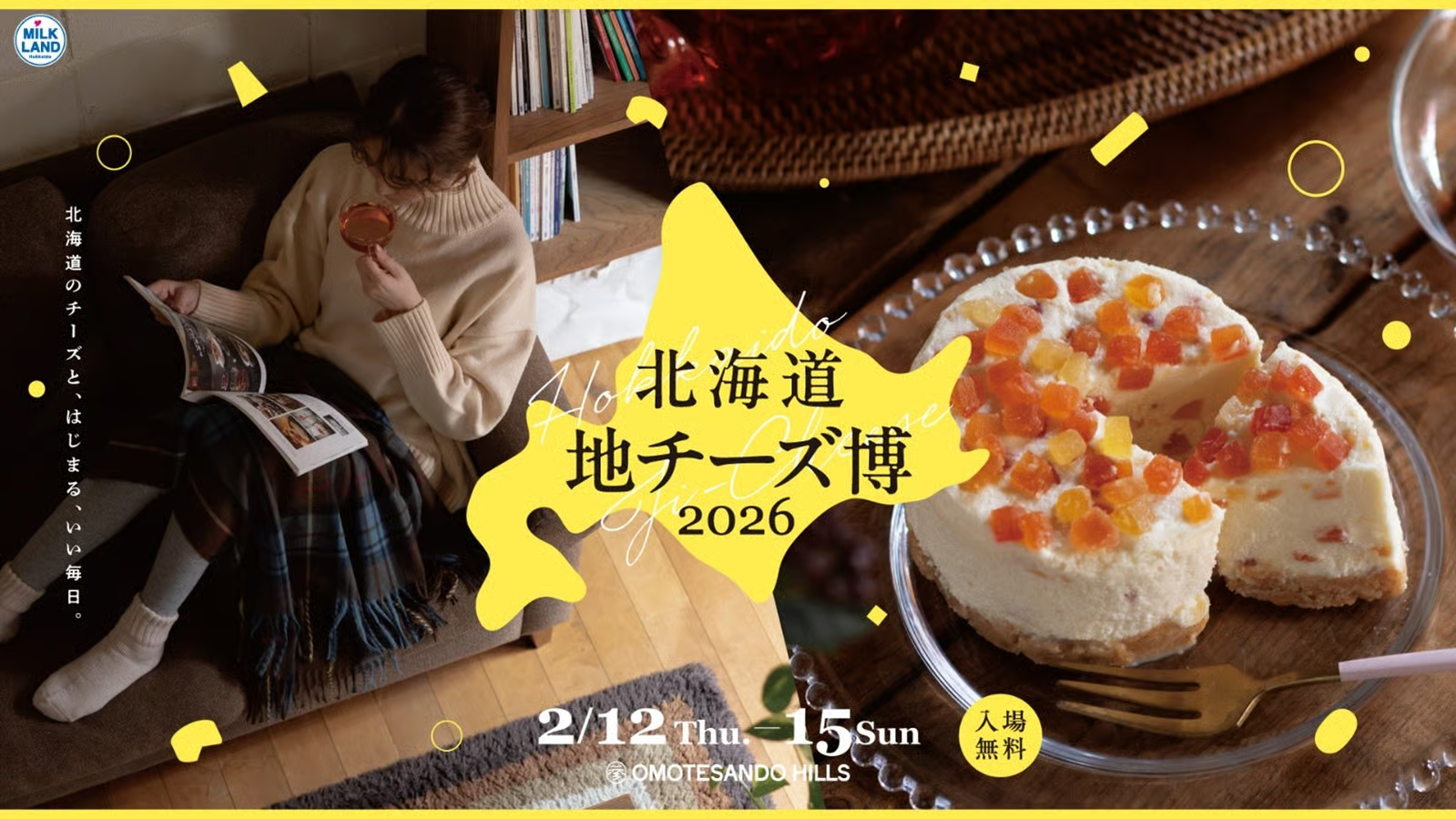
Hokkaido Local Cheese Fair
📍 Where: Omotesando Hills
📅 Date: February 12-15, 2026
💰 Price: gratuitous
🌐 Official website: Hokkaido Local Cheese Fair
✨ Dreamer Advice: Participate in the “Select 5 tasting challenge” and try five different cheeses; it's the most fun way to discover the rich cheeses of Hokkaido.
Hokkaido Cheese Fair: the paradise of Japanese cheeses
If you love cheese as much as I do, this fair is a must-see. dream come true. There are tastings of over 50 varieties of Hokkaido cheese, and you can learn how to pair them with wines or beers. It's a modern event that combines gastronomy, culture, and fun for all the senses.
What to expect from the event
Guided tastings with pairing tips.
Stands with more than 300 types of cheese.
Competitions and activities to discover the flavors of Hokkaido.
Fuchu City Local Forest Museum – Plum Festival
📍 Where: Fuchu City Local Forest Museum
📅 Date: January 31 – March 8, 2026
💰 Price: 300 yen
🌐 Official website: Fuchu City Local Forest Museum
✨ Dreamer Advice: If you can, go in the afternoon and enjoy the plum trees being illuminated; it's like a fairytale stroll among flowers and lights.
Plum Festival: an early spring in Fuchu
This festival combines nature and Japanese culture: the museum has 1,200 plum trees planted, including fantasy-like wax varieties. During the festival, visitors can enjoy tea ceremonies, traditional craft workshops such as Amezaiku, and walk the paths while the aromas of the plum trees fill the air.
Fuchu City Local Forest Museum is more than just a museum; it's a space where the city's history and nature intertwine. The tradition of admiring plum trees dates back centuries, and during the festival, visitors seek out this tradition. Celebrate the changing of the seasons and connect with nature.
What to expect from the festival
Walks among flowering plum trees and special plantations.
Workshops and cultural activities that allow interaction with tradition.
Weekends with nighttime lighting that transforms the park into a magical landscape.
What to eat in February
February in Tokyo It's cold, so it's time to fill your body with warming and comforting things. hot ramen They're a classic: nothing beats a good bowl of steaming broth and noodles to warm you up after wandering through temples and markets. There's also the order, A Japanese stew with egg, daikon radish, tofu, and other things cooked slowly; simple, but soul-warming.
If you want something to share, don't miss the nabe pots: from sukiyaki until shabu-shabu, They combine meat, seafood, and fresh vegetables and are cooked at the table. For those with a sweet tooth, the seasonal wagashi They are a delight: plum or chocolate cakes that appear at festivals and pastry shops in the city, perfect to accompany a tea.
In February, while you enjoy the festivals and plum blossoms, you can also let your stomach travel: Tokyo combines tradition, warmth, and sweets you'll only find this month. 🌸🍲
Frequently Asked Questions about Tokyo in February
What festivals are held in Tokyo in February?
In February there are traditional events such as Daruma Kuyo in Nishiarai Daishi, Setsubun at Suitengu Shrine, Yushima Tenjin Plum Blossom Festival, Hatsuuma Sai in Higashi-Fushimi Inari and the Kaito Market at Oji Inari Shrine. There are also modern festivals like the Hokkaido Cheese Fair or the Shibuya Chocolate Quest.
When do the plum trees and the first cherry blossoms bloom in Tokyo?
The plum trees (ume) They bloom in early February, especially in Yushima Tenjin, and the kawazu-zakura Matsuda's begin opening in mid-February, offering spectacular views of Mount Fuji in the background.
What typical dishes are eaten in Tokyo in February?
Hot dishes such as ramen, oden and nabe They are the most popular. You will also find wagashi seasonal items, plum and chocolate pastries, and hot drinks such as amazake to warm up.
Is it expensive to visit festivals in Tokyo in February?
Not necessarily. Many festivals are free, and street food stalls or small restaurants offer delicious and affordable options.
Which temples and shrines are must-sees in Tokyo in February?
Among the most prominent: Nishiarai Daishi Temple, Suitengu Shrine, Yushima Tenjin Shrine, Higashi-Fushimi Inari Shrine and Oji Inari Shrine, where, in addition to enjoying the architecture, you can experience traditional ceremonies.
What's the best plan for a full day in Tokyo in February?
Combine a traditional festival in the morning, a walk through the plum trees or the kawazu-zakura, and end the day with street food or hot nabe in a local market or restaurant. This is how culture, nature, and gastronomy come together.
What souvenirs can be bought at the February festivals?
From Daruma dolls in Nishiarai Daishi, until “Kaito” kites” in Oji Inari or seasonal sweets like Wagashi and Valentine's Day chocolates in Shibuya.
Is it cold in Tokyo in February?
Yes, February is one of the coldest months, so it's advisable to... coat, scarf and comfortable shoes to walk among temples, parks and markets.
Is it possible to visit Tokyo in February with children?
Yes, many festivals have activities for the whole family, such as bean throwing, candy workshops or traditional performances, and the green spaces with plum trees in bloom are ideal for walks with children.
What can you see or do in Tokyo in February?
In February there are traditional festivals (such as Setsubun, Ume Matsuri, and Daruma Kuyo) and winter events, in addition to watching plum trees in bloom (ume) and iconic places like temples, shrines and vibrant neighborhoods like Asakusa or Shibuya.
Is it worth visiting Tokyo in winter?
Yes—although it's cold, the city is less crowded than in spring. The days are usually sunny and dry, and you can enjoy traditional festivals, winter food, and unique scenery like plum trees blooming before the cherry blossoms.
Is it expensive to travel to Tokyo in February?
Generally no: February usually has less tourism than spring or summer, which can mean more competitive prices on flights and hotels.
February in Tokyo It's the month when the city is adorned with tradition, colors, and aromas that awaken all the senses. Among sanctuaries, festivals and plum trees in bloom, You can experience ancient rituals like the Daruma Kuyo, throwing beans at demons in Setsubun or stroll among red torii gates in Higashi-Fushimi Inari. At the same time, your stomach also has its own journey: from warm ramen and nabe, ...even seasonal sweets and Valentine's Day chocolates in Shibuya.
The magic of Tokyo in February is in blending culture, nature and gastronomyYou can go from a spiritual ritual to a festival full of music, lights, and street stalls, always with something delicious to try. Every corner has its own story and flavor, and all you have to do is walk, look around, and let yourself go.
🎎 Plan your trip to Japan ⛩️
We give you everything you need to make your trip to Japan unique, easy and hassle-free